Nodal
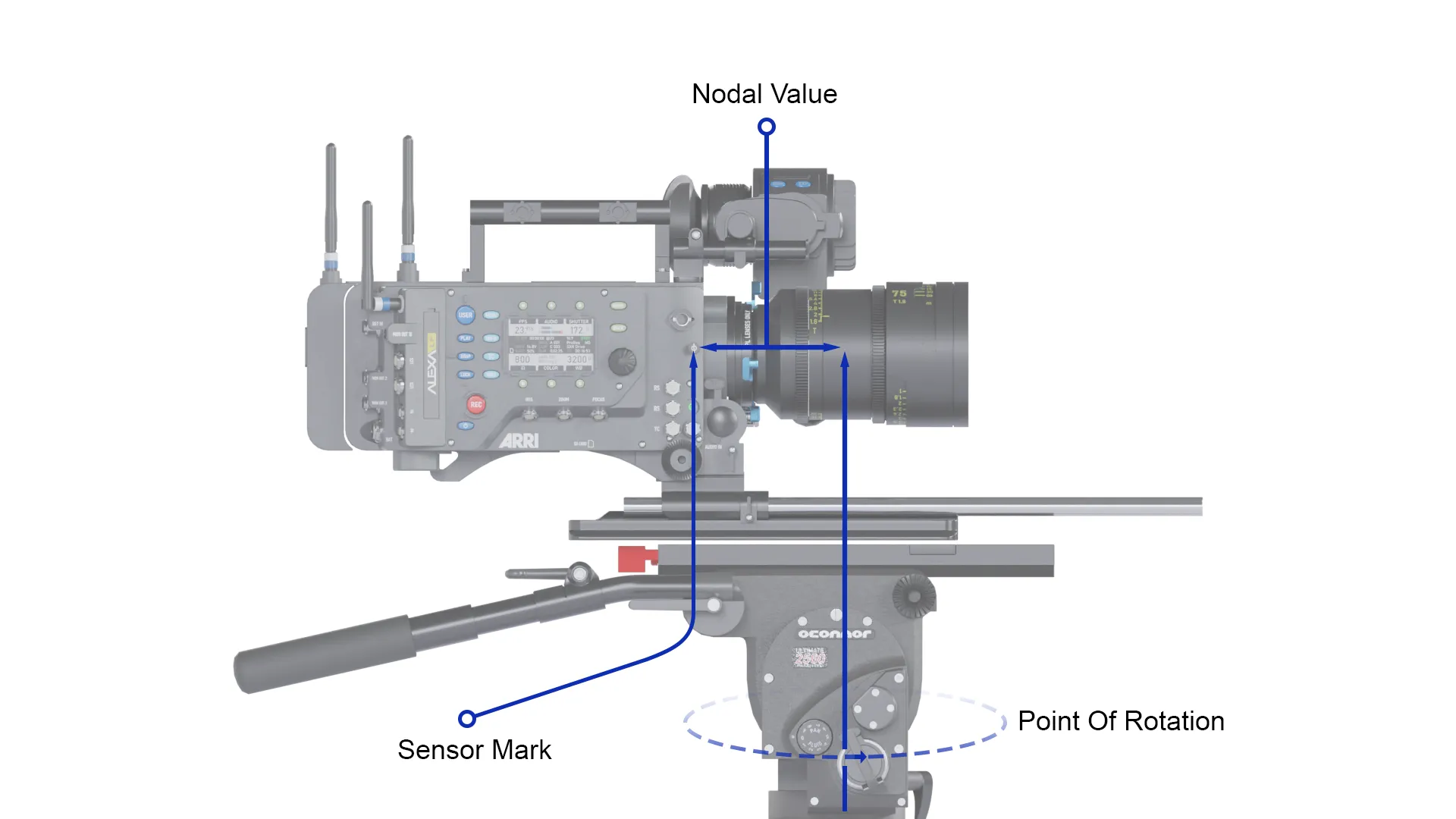
In the context of CinCraft Scenario, the “Nodal” point refers to the point of no parallax of a lens.
When the camera is rotated around the nodal point, then objects in the foreground and background will stay consistent relative to each other, in other words, no parallax shift is seen.
This stage of the calibration allows a user to input a single nodal point (or two if calibrating a zoom lens). At the final stage of the calibration, it is possible to add more nodal information if required
The nodal point can be measured externally of the CinCraft system and the premeasured values can be simply input at this stage. If the nodal point needs to be measured however, the following processes can be used.
The Pole Method
Requirements
- Foreground and Background alignment objects, two posts or poles are ideal for this
- Camera mount that allows for sliding the camera forward or backwards
- Tape measure
This method is quick and easy but can be difficult if the camera can't be easily slid forward or back and rotated around a specific point.
Align two posts/poles in front of the camera, the first pole (blue) relatively close to the camera and the second (red) relatively far away.

Ensure the camera is aligned centrally with posts. When setup correctly the camera should be looking directly at the poles in the centre of frame, with the first pole occluding the second pole.
Pan the camera so that the poles are on the edge of the frame, it is likely that a gap has appeared between the poles caused by the parallax.

Slide the camera forward or back on the tripod head (a long slide plate can help with this) while making panning motions until no visible shift is seen between the two poles.


Once this position is found, measure from the camera sensor to the point of rotation of the tripod, this will give you the nodal value for this part of the lens.
The "Malkus" Method
This method produces accurate results without needing to move the camera, this can be very helpful when working with bulky cameras or longer length lenses
Requirements
- Light source - A phone torch is sufficient
- 2 x Laser Levels - Example
- 4 x "Slit" cards - 3D print files available below, however any vertically standing card with a narrow gap in it can be used
- Tape measure
3D Print files for Slit cards are available here
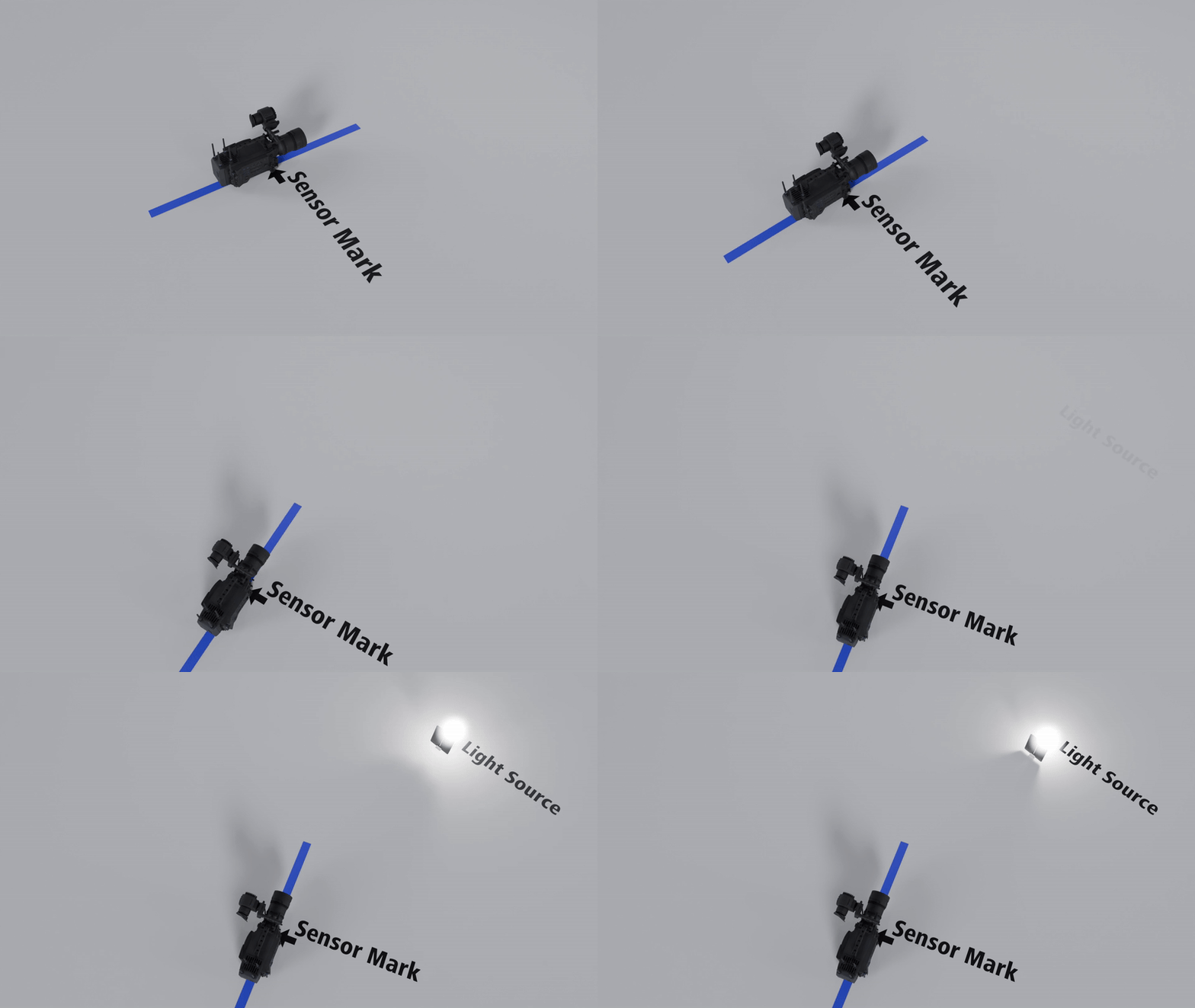
Place the camera on the floor or other area with enough space to allow for measuring. Use a strip of tape to align the camera and mark the sensor position of the camera on this tape

Several metres away, position a light source and 1 of the slit cards infront of it
Postion the 2nd slit card inline between the 1st card and the camera.
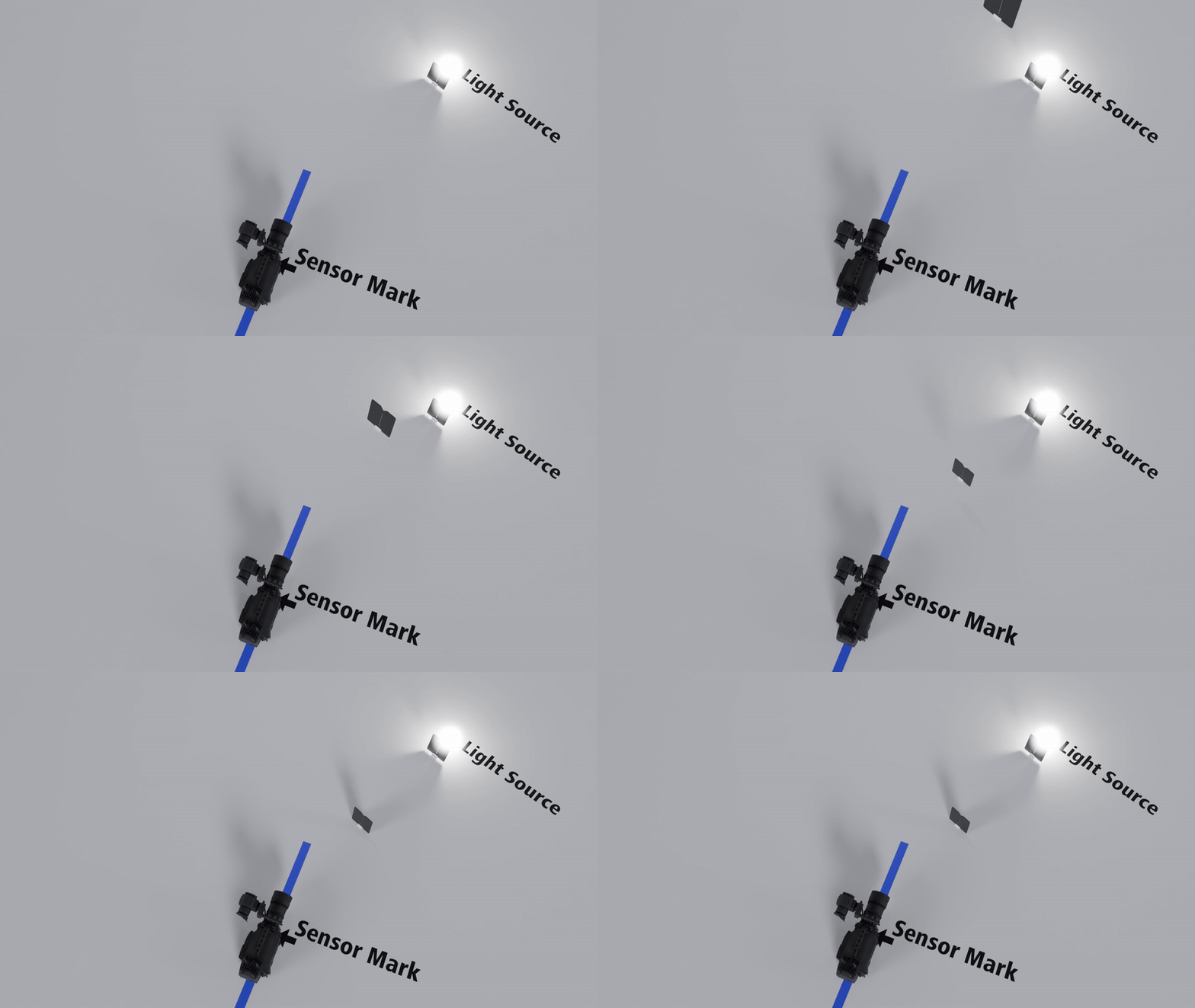
Adjust the 2nd card until the light source can be seen between the slits of the two cards by the main camera
Repeat this procedure with cards 3 and 4 in a different area
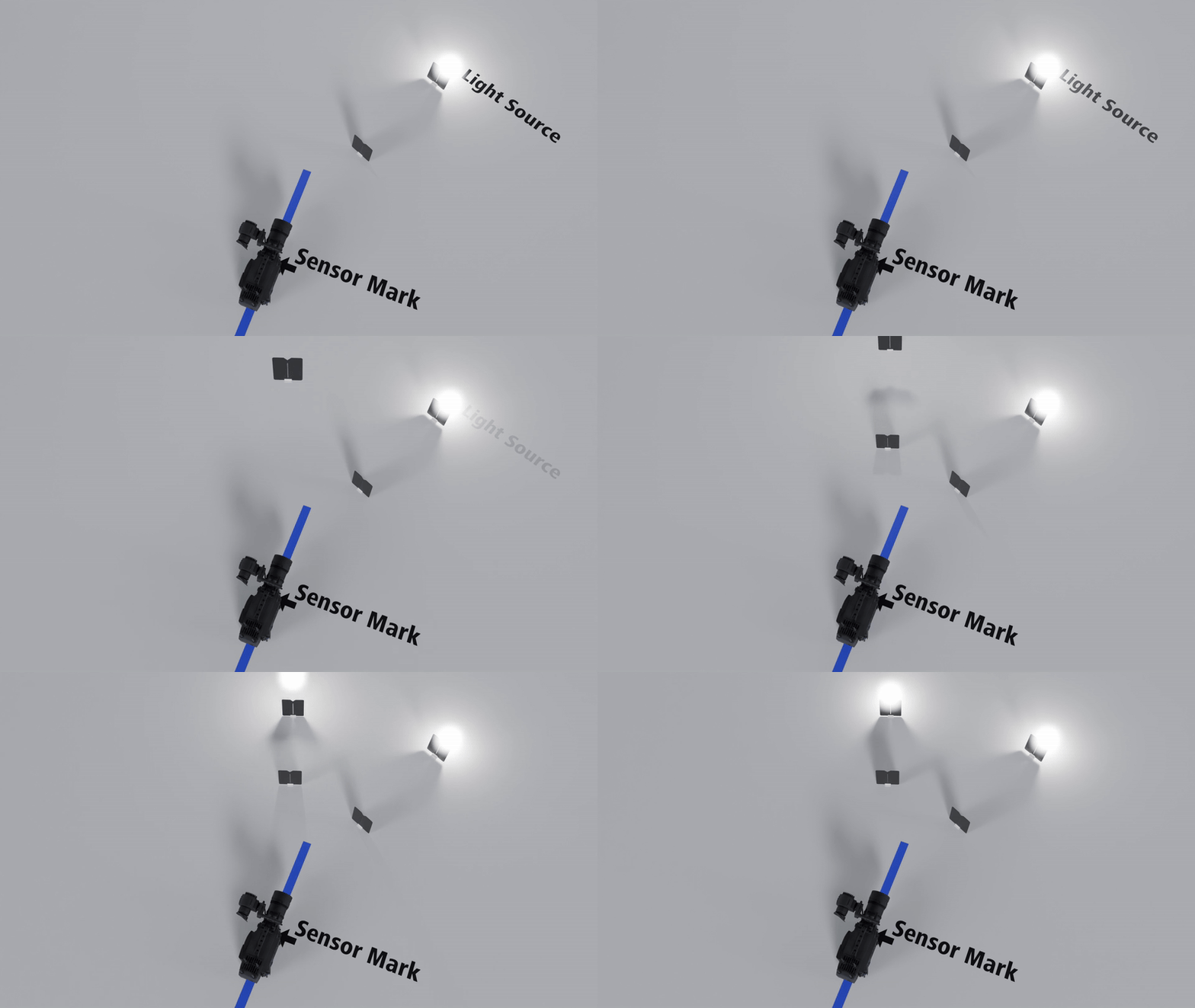
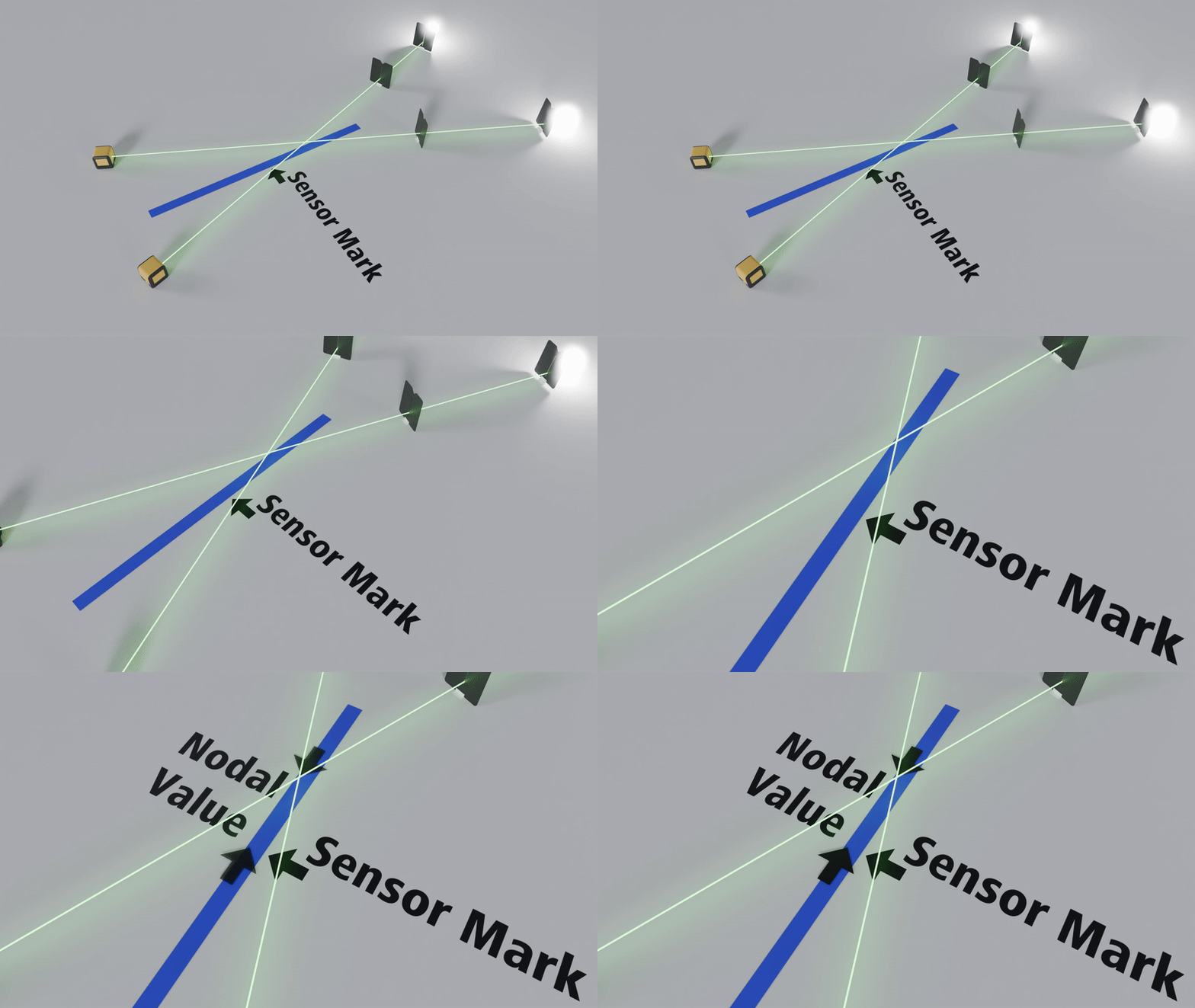
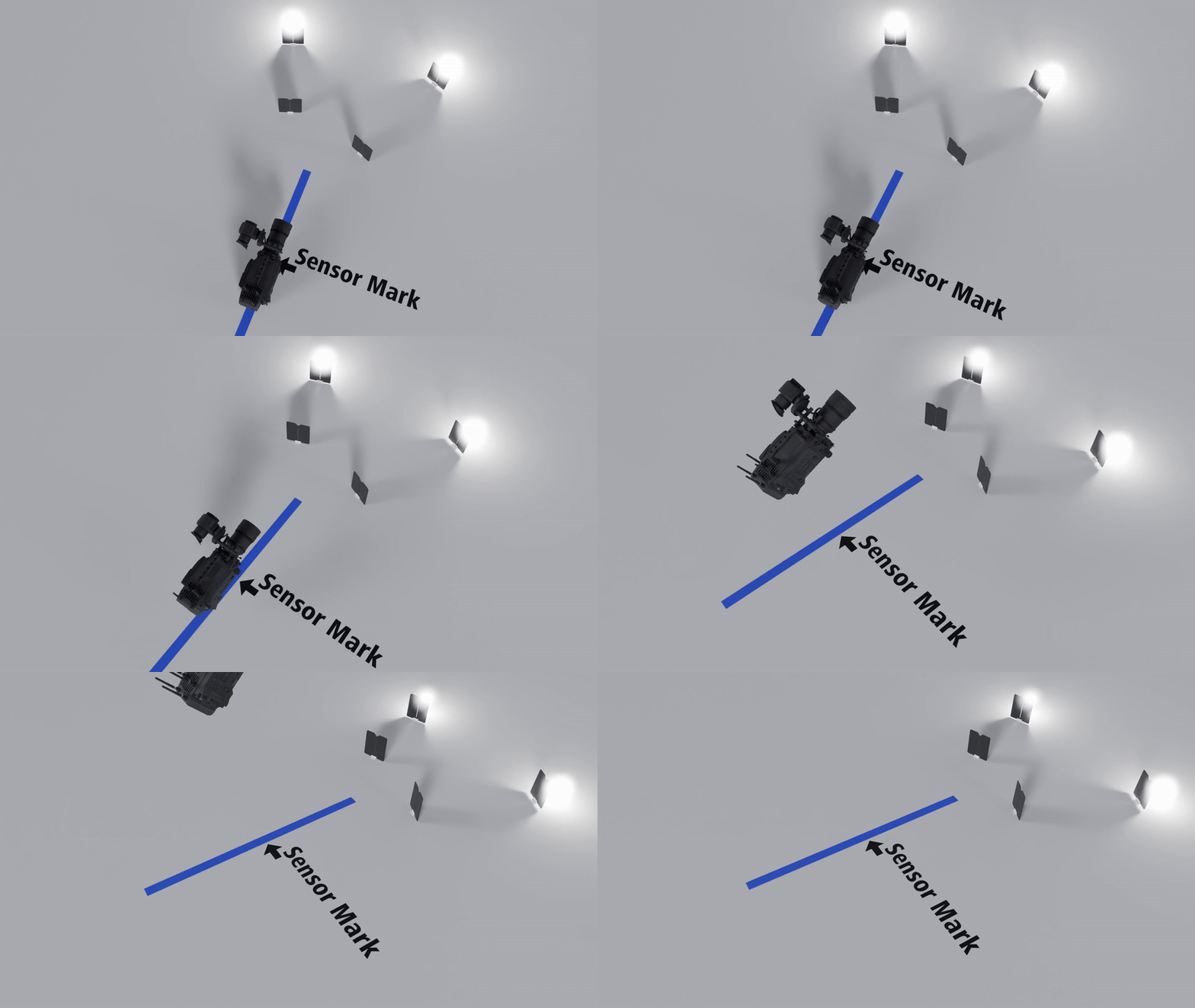
Once the cards are aligned, remove the camera
Place the lasers behind where the camera was positioned and aim the laser beams so that they cast a beam through the cards
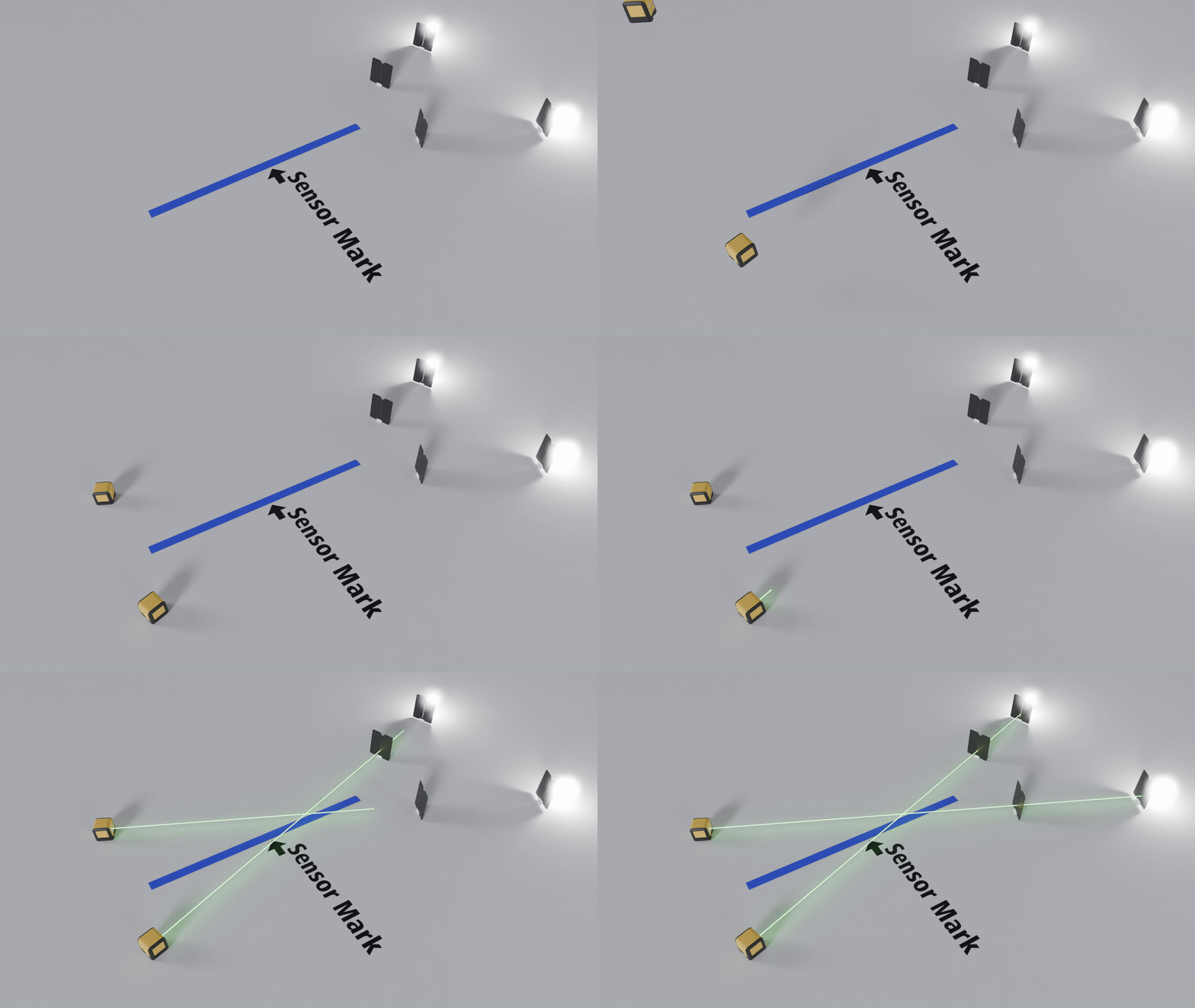
Measure from where the beams intersect to the sensor mark made on the tape in step 1. This is the nodal value