Troubleshooting
In this section we will cover troubleshooting topics related to the Scenario system
Definitions
Before beginning to troubleshoot, it's important to understand the different symptoms that can be present, the animated gifs below are used to represent them visually
Noise/Jitter
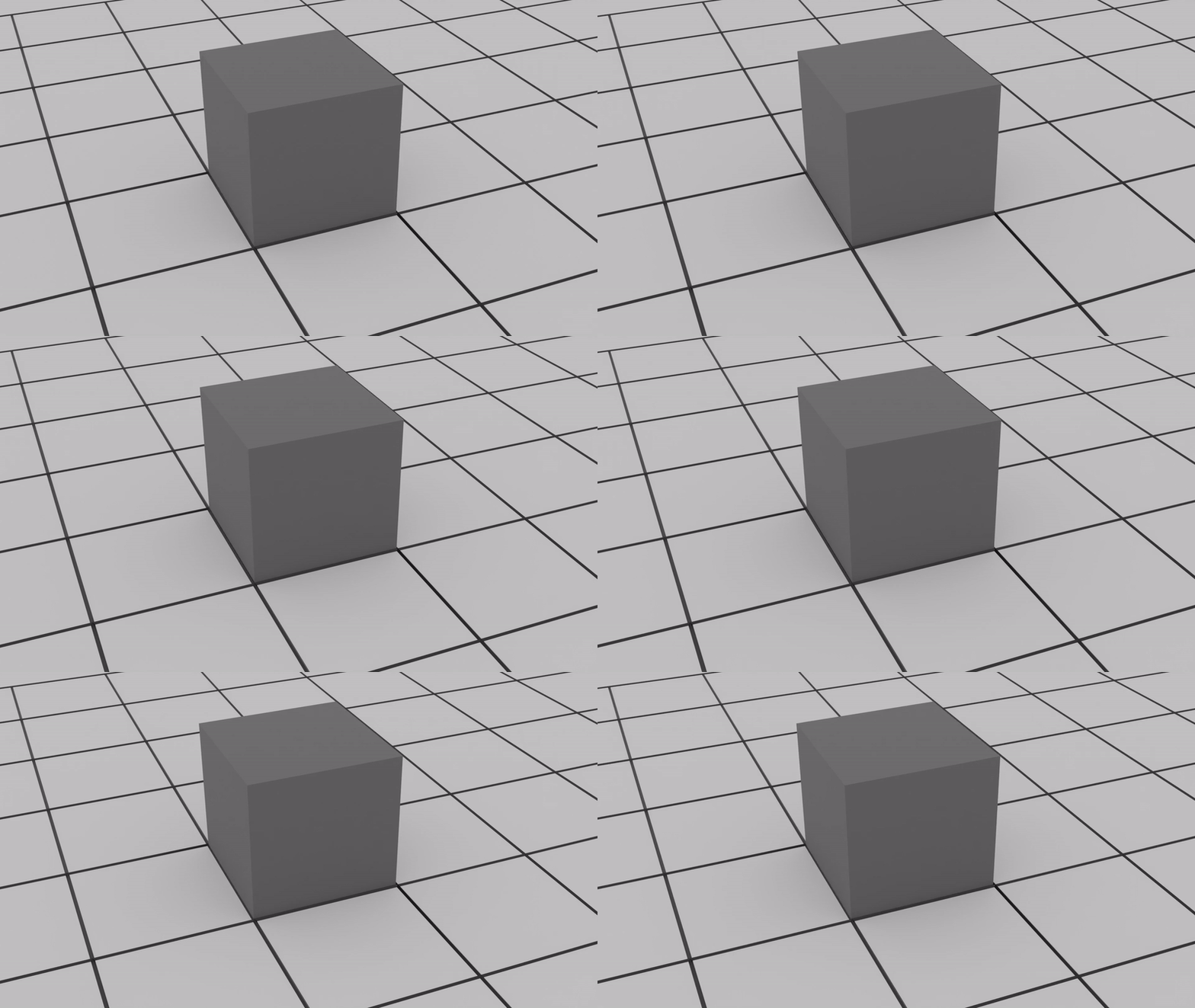
Noise or "jitter" is best described as a high frequency vibration in the camera tracking.
Key Points
- Can be present both when the camera is stationary or moving
- More noticable when Augmented graphics are close to the camera or zoomed into
Sliding
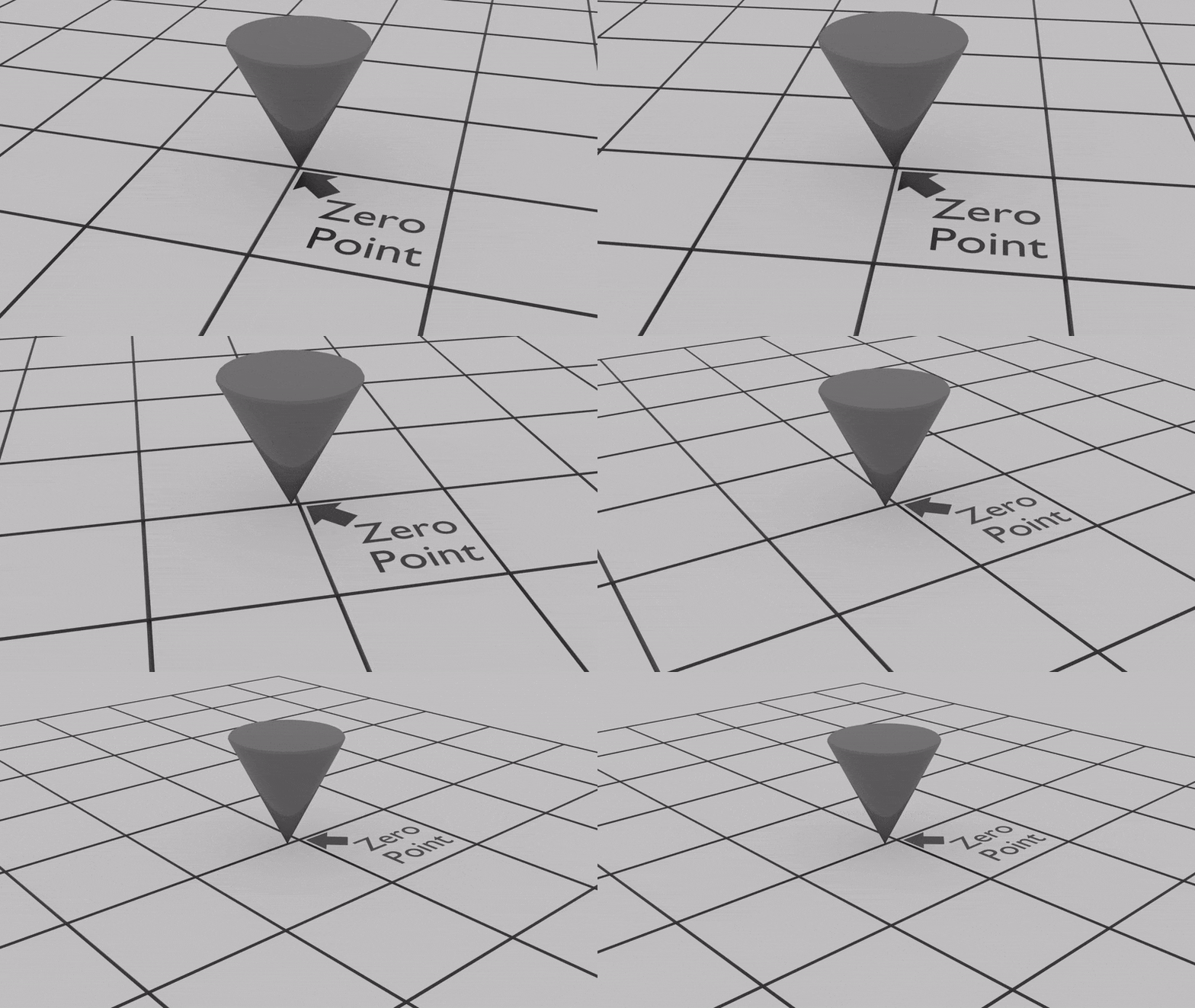
Sliding describes the drifting or sliding of augmented graphics relative to the real world feature or object they are assumed to be relative too.
It can be caused by multiple, different issues and as a result can be the hardest to isolate the underlying cause
Key Points
- Is typically caused by the camera tracking information giving incorrect positional data for the camera, relative to the environment
- Sliding will be more pronounced when moving the camera further from the zero point of the world alignment
Stutter
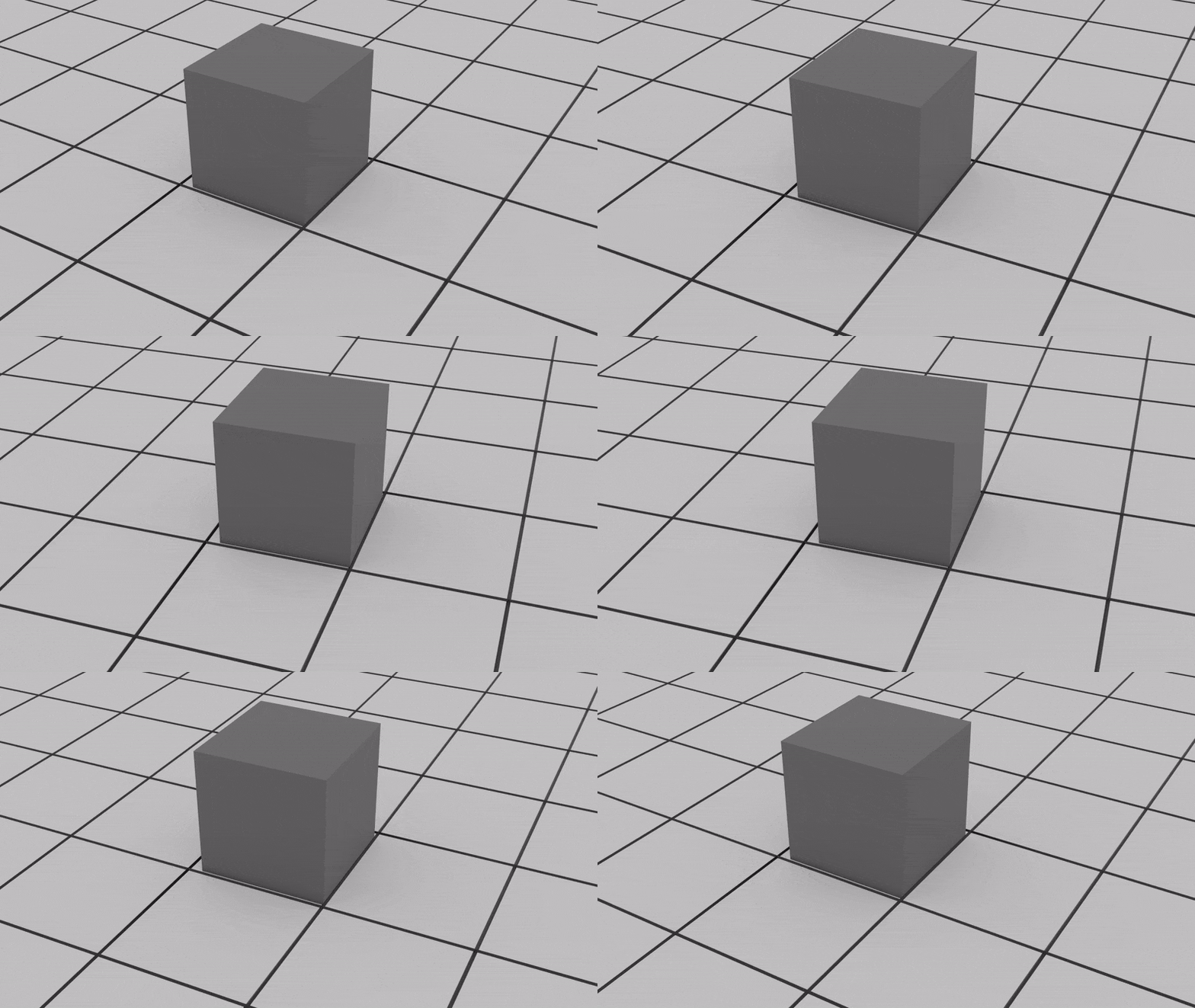
Occasional hops or artifacts seen only when moving the camera. It is nearly always caused by issues with synchronisation or timing, where either the tracking data is not processed or provided in time, or the rendererer is unable to draw a frame in time
Key Points
- Can only be observed when the camera tracking data is changing, such as during movement of zooming
- Will typically be intermittant and happen at random unlike noise which will be progressive in nature
Delay
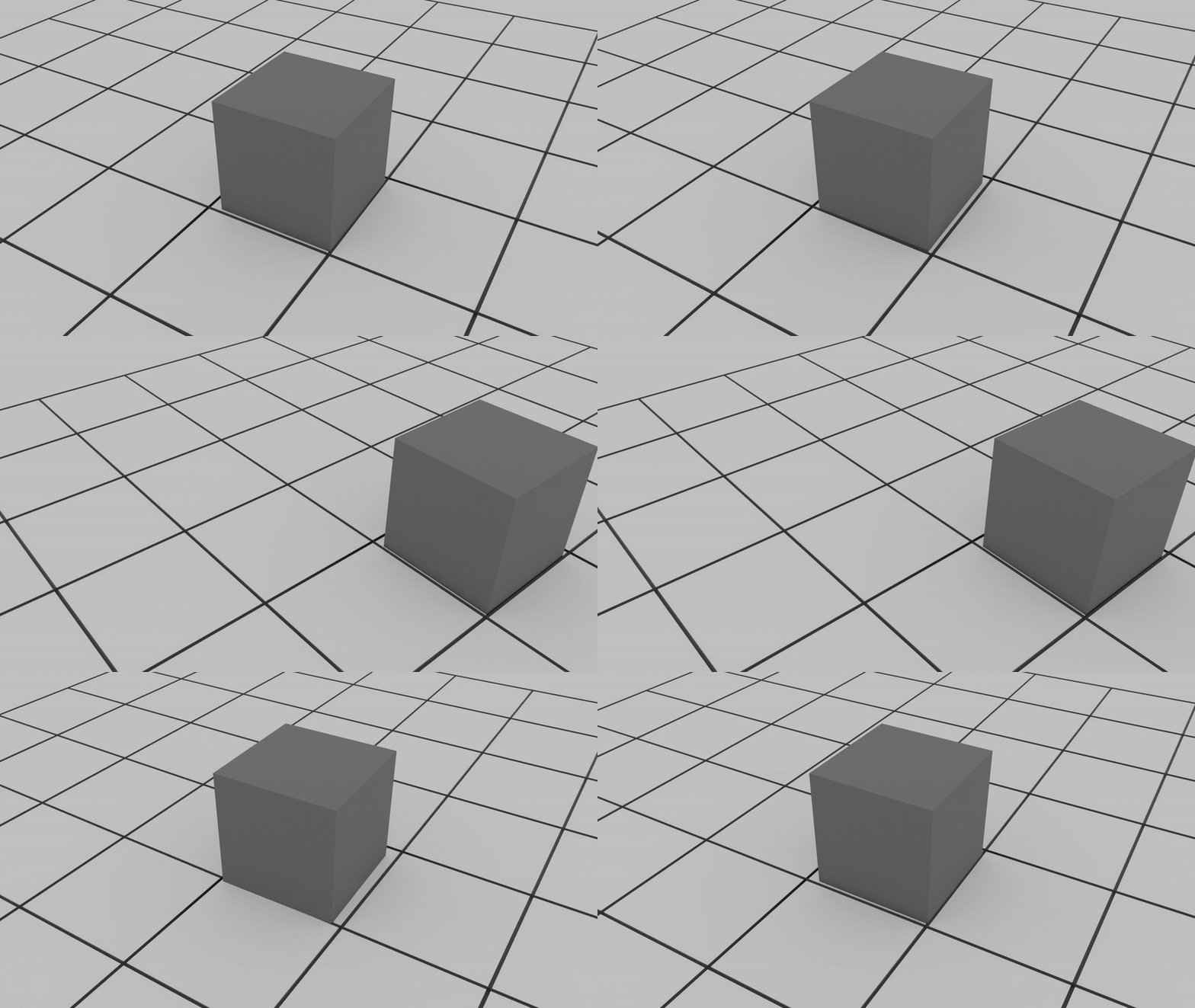
Delay issues appear as CG graphics moving either before or after the camera moves. It's typically straightforward to identify and resolve
Key Points
- Most easily identified by making short sharp movements
- Camera tracking data can either be behind or ahead of the camera frame depending on the configuration of the video path